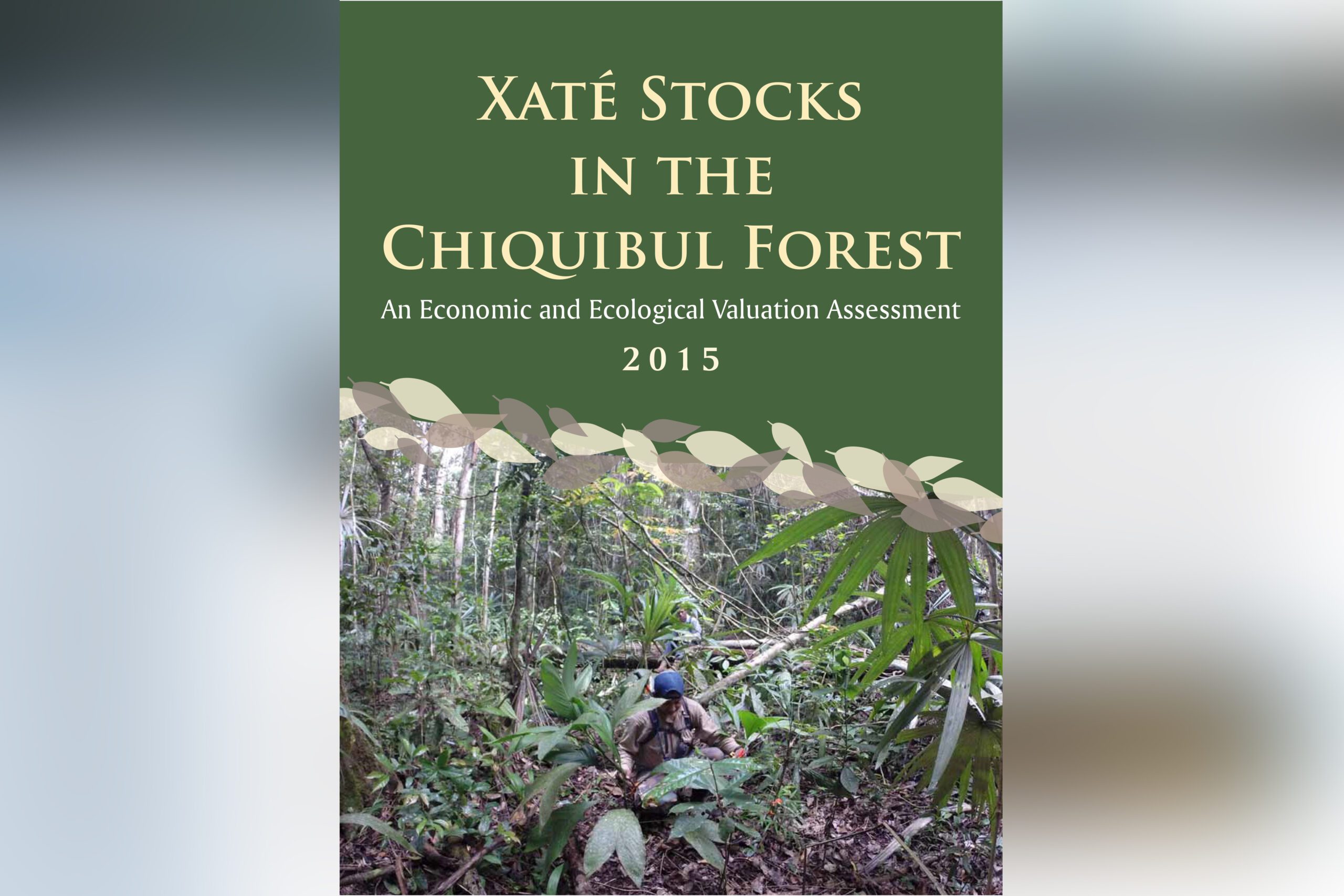
INTRODUCTION Chamaedorea is the largest palm genus in the Central American Region (Henderson et al. 1995) and according to the IUCN, an estimated 75% of the species are threatened. In Belize, there are 12 reported species of which three are the most favored in the floral industry being Chamaedorea elegans, C. ernesti augustii and C. […]
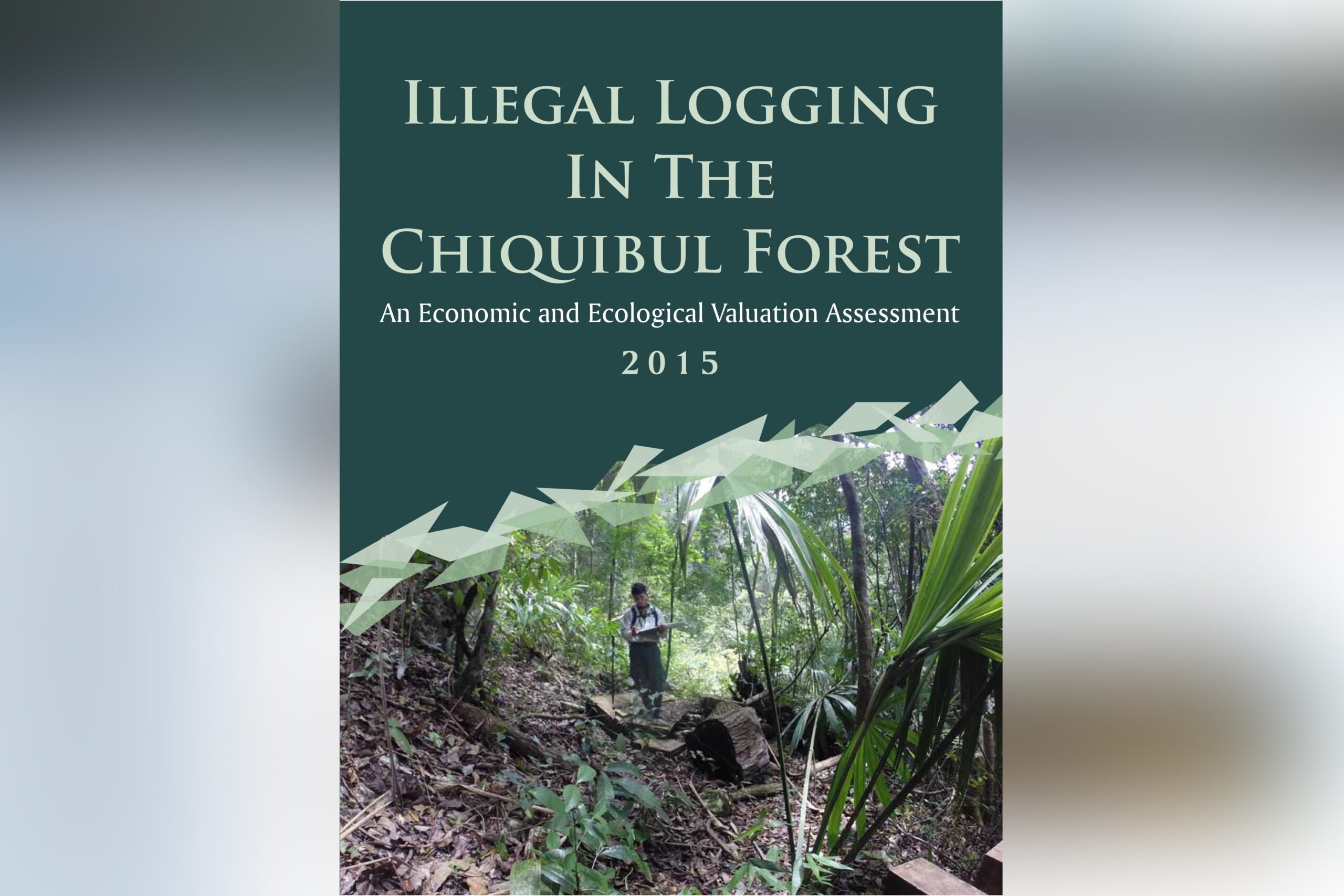
INTRODUCTION Rosander (2008), states that illegal logging is linked to corruption and organized crime; it fuels poverty and restricts access to natural resources. In addition, it has economical, social and ecological impacts (Lawson & MacFaul 2010; Li et al. 2008; Rosander 2008; Sheikh 2008; World Bank 2008). The World Bank (2006) estimates that in developing […]
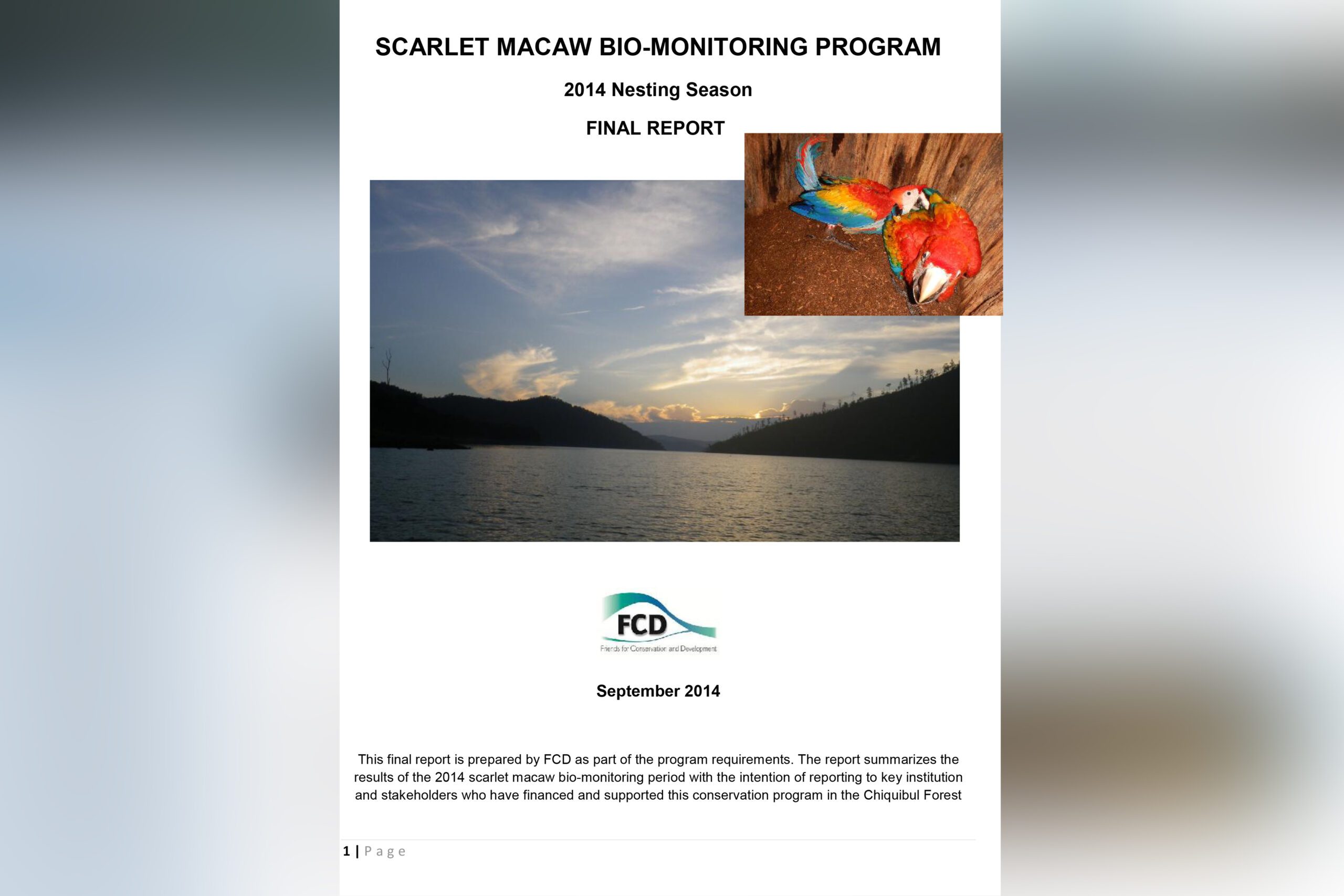
INTRODUCTION The Scarlet Macaw is the most widely distributed (Mexico to Brazil) of the 17 existing macaw species (Wiedenfeld 1994). Two subspecies have been identified, Ara macao cyanoptera (ranges from southern Mexico to southeast Nicaragua) and A. macao macao (ranges from extreme south of Nicaragua to Brazil and Bolivia) (Schmidt 2008). Scarlet Macaws are endangered […]
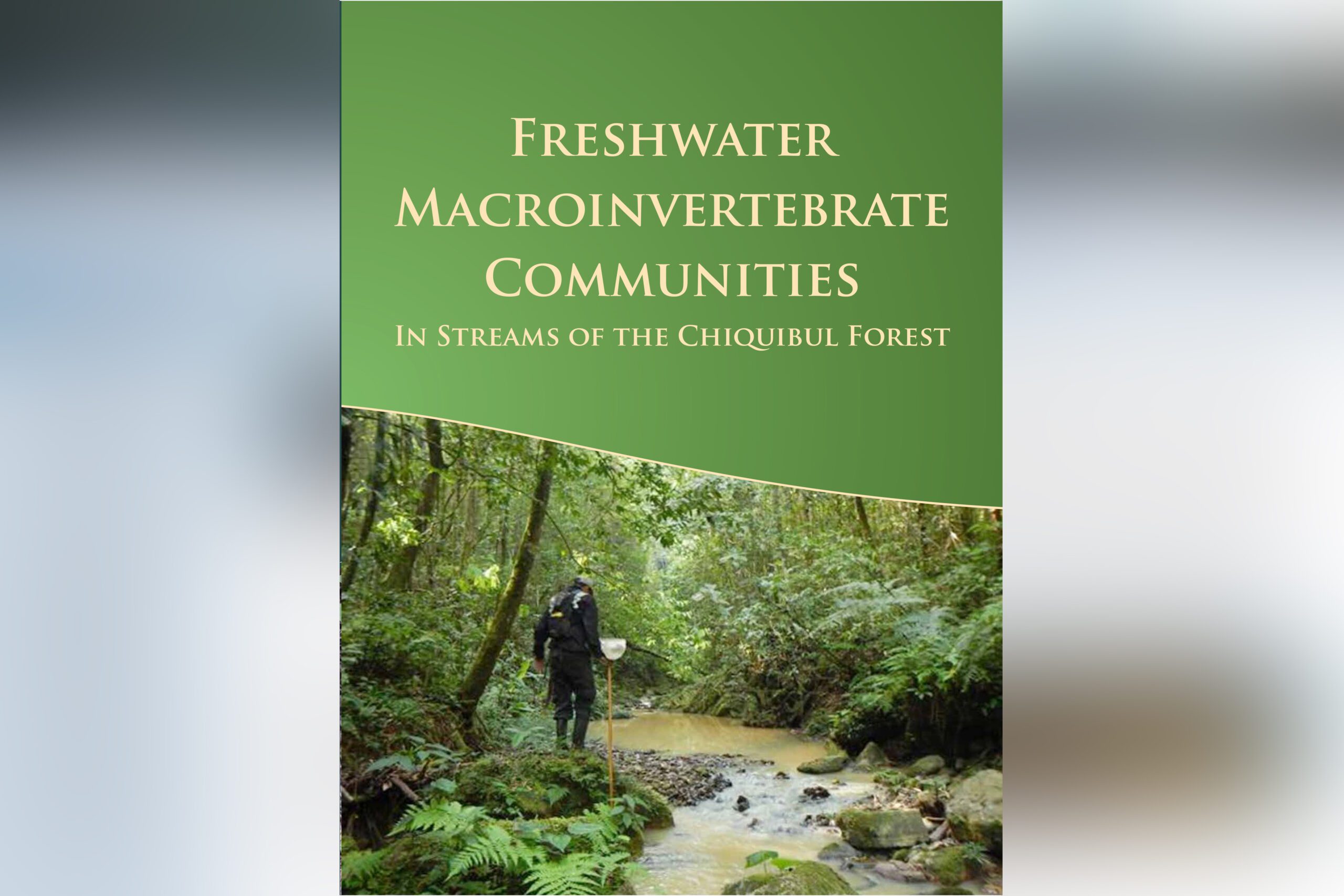
INTRODUCTION Freshwater macroinvertebrates are commonly used as biological indicators for aquatic ecosystems health, serving as indirect measure for water quality (Stark et al. 2001). Many authors argue that monitoring changes in macroinvertebrate community composition is important as they respond to water quality changes overtime and such changes are reflected in community composition and abundance (Resh […]
INTRODUCTION The Scarlet Macaw is the most widely distributed (Mexico to Brazil) of the 17 existing macaw species (Wiedenfeld 1994). Presently two subspecies have been identified being Ara macao cyanoptera (ranges from southern Mexico to southeast Nicaragua) and A. macao macao (ranges from extreme south of Nicaragua to Brazil and Bolivia) (Schmidt 2008). Scarlet Macaws […]
When you join FCD, you become part of a community dedicated to a conservation movement and in support to FCD’s mission.